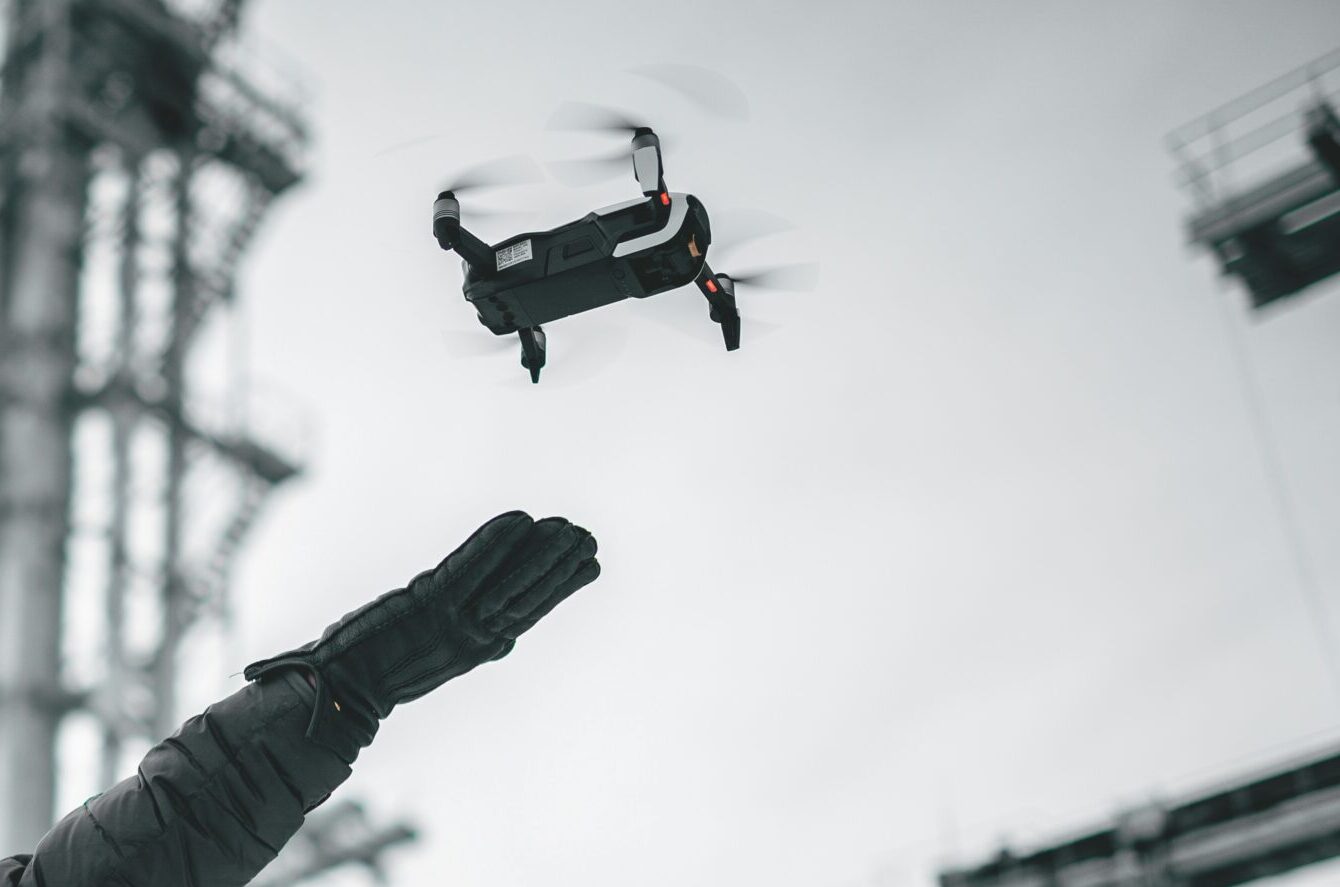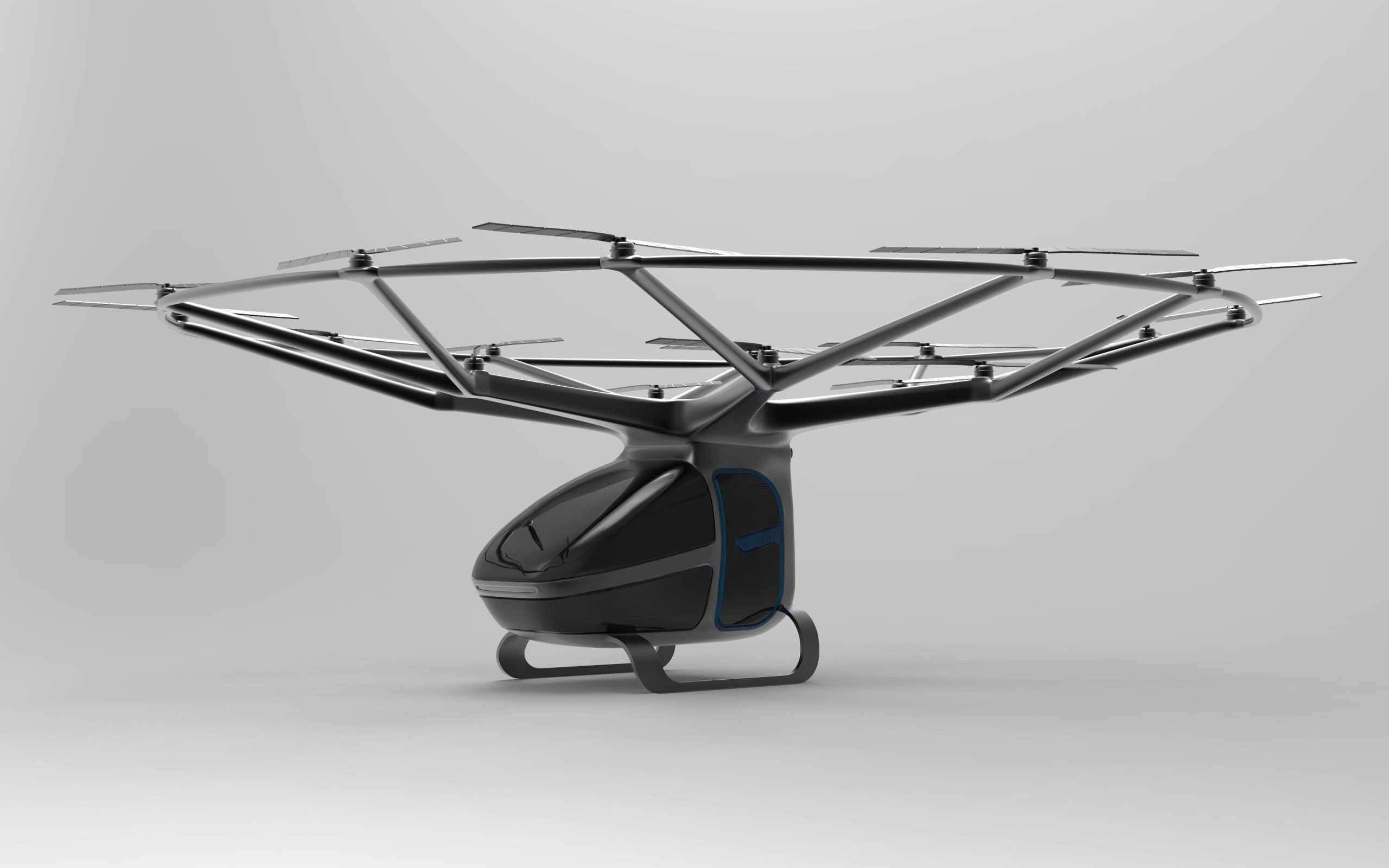
For years, the “flying car” has symbolised Malaysia’s ambition to leap into the future of aviation. Yet today, meaningful progress is happening closer to the ground. Rather than focusing solely on when passenger eVTOLs will arrive, the industry may benefit from asking: Is Malaysia ready to manage the airspace complexity that advanced mobility will require?
As of January 2026, the conversation has shifted from prototypes and pilot projects toward systems, governance, and scalability. The real test of readiness may not be a single flying taxi demonstration, but the ability to safely orchestrate thousands of unmanned aircraft simultaneously over dense urban airspace. If Malaysia can successfully manage 10,000 delivery drones over the Klang Valley, it lays a practical foundation for future passenger operations.
This is where Advanced Air Mobility (AAM) and Unmanned Aircraft System Traffic Management (UAS-TM) converge—not as futuristic concepts, but as near-term industrial infrastructure. The digital sky being built today may ultimately determine who owns, controls, and benefits from Malaysia’s low-altitude airspace tomorrow.
- Regulatory Evolution
Bridging Drones and AAM
Malaysia has moved well beyond hobbyist drone regulation, yet the regulatory ecosystem continues to evolve as operations scale up. Today, operators interact with multiple agencies:
• CAAM for airspace safety
• JUPEM for aerial mapping approvals
• MCMC and SIRIM for spectrum and equipment certification
A key consideration for industry is how regulatory processes can remain strong on safety while adapting to support larger-scale and more complex AAM operations.
CAAM is addressing this with a tiered, forward-looking approach:
• CAD 6011 Series provides a consistent operational foundation for both drones and future eVTOLs.
• AAM Concept of Operations (ConOps) 2026 helps clarify the evolving space between unmanned and crewed aircraft operations.
Insight for industry players: Early alignment with these frameworks can facilitate smoother operations and reduce barriers as AAM operations grow in complexity.
Question for reflection: How can your organisation engage with these frameworks today to be better prepared for tomorrow’s operational landscape?
- Unmanned Aircraft System Traffic Management (UAS-TM)
Digital Infrastructure as a Strategic Asset
Most drone operations today remain within Visual Line of Sight (VLOS) in controlled environments. AAM, however, requires dense, automated urban operations, where manual coordination is no longer viable.
UAS-TM is emerging as critical national infrastructure, enabling safe, high-density operations. Key considerations include:
• Digital Connectivity – Platforms should be Application Programming Interface(API)-ready for real-time Remote ID, telemetry, and compliance checks.
• Automated Deconfliction – Systems need to autonomously manage conflicts and maintain separation safely.
• Integration with Traditional ATM – Coordination with major hubs such as KLIA is essential for operational safety.
Insight: Viewing UAS-TM as more than a compliance requirement—as a strategic digital asset—can position operators and technology providers to lead in the low-altitude economy.
Question for reflection: Are your systems ready to integrate seamlessly with UAS-TM, ensuring safe operations as drone traffic density increases?
- From National UTM to Global Integration
Building a Connected, Interoperable Airspace
As Malaysia aligns with ICAO UTM guidance and EASA U-Space, the country is taking steps toward becoming a Digital Airspace Architect. Key initiatives include:
• Unified Digital Registry – Consolidating approvals from CAAM, MCMC, and SIRIM into a single, API-linked system enhances operational visibility and efficiency.
• Full ATM Integration by 2030 – Gradually transitioning toward shared airspace allows drones and crewed aircraft to operate safely in the same skies.
• U-Space Service Providers (USSPs) – Budget 2026 encourages local firms to participate in the growing low-altitude economy, offering incentives for early movers.
Insight: Engaging early with these initiatives allows local operators to gain experience, capture value, and influence the development of regulatory and operational standards.
Question for reflection: Could your organisation be among the first movers to explore opportunities as a USSP or develop capabilities that align with the unified digital registry?
- Preparing for Scale
Key Considerations for AAM Success
Expanding from drone logistics to a full AAM ecosystem highlights several critical enablers:
4.1 Infrastructure
• Vertiports integrated into urban environments
• High-frequency charging and battery swapping
• Noise mitigation and community acceptance
4.2 Connectivity and Cybersecurity
• Networks must support reliable communications at 150–500 metres altitude
• AAM platforms should adhere to NCII-level cybersecurity standards
4.3 Human Capital
• Training for remote operators and multi-aircraft supervisors
• Development of domestic engineering expertise in hybrid-electric propulsion and autonomous flight systems
Insight: Incremental planning and early investment in infrastructure, connectivity, and talent will reduce bottlenecks as operations scale.
Question for reflection: How can your organisation contribute to developing the infrastructure, talent, and technology that will support the growing AAM ecosystem?
- Strategic Outlook
Shaping Malaysia’s Low-Altitude Economy
Global examples, such as Swiss U-Space and US LAANC, demonstrate that digitised airspace enhances both safety and economic potential. Malaysia now has the opportunity to capture similar value:
• Control API gateways to secure recurring infrastructure-level revenue
• Support domestic AAM platforms and retain critical operational data locally
• Leverage Budget 2026 incentives to establish a competitive edge before barriers increase
Final Thought: Flying cars may still be a horizon technology, but the systems supporting them are already taking shape. By engaging thoughtfully today, Malaysian industry players can help ensure that the low-altitude airspace is safe, innovative, and economically meaningful.
Question to ponder: When the skies are fully digitised, will your organisation be shaping the aerial future, or simply adapting to it?