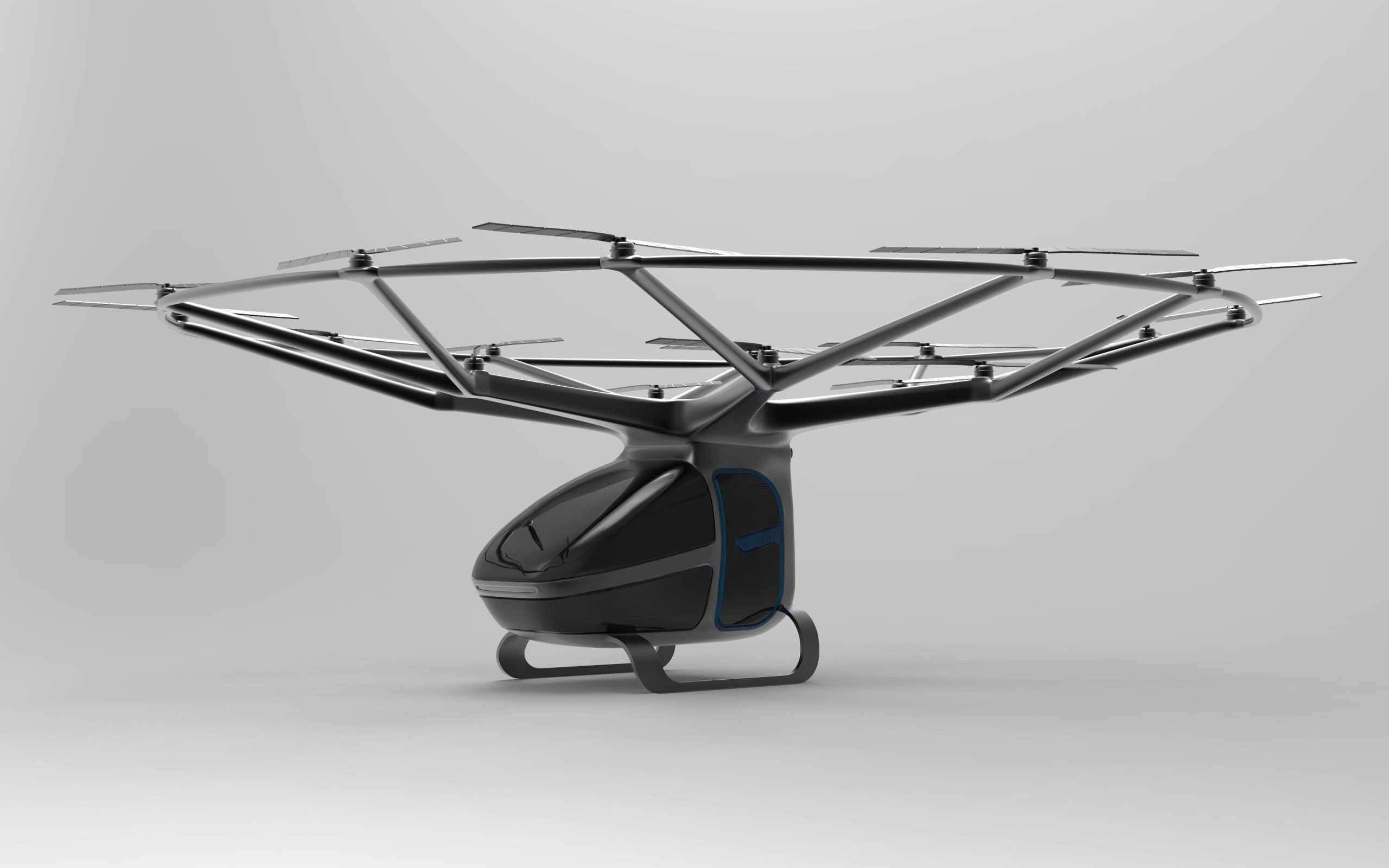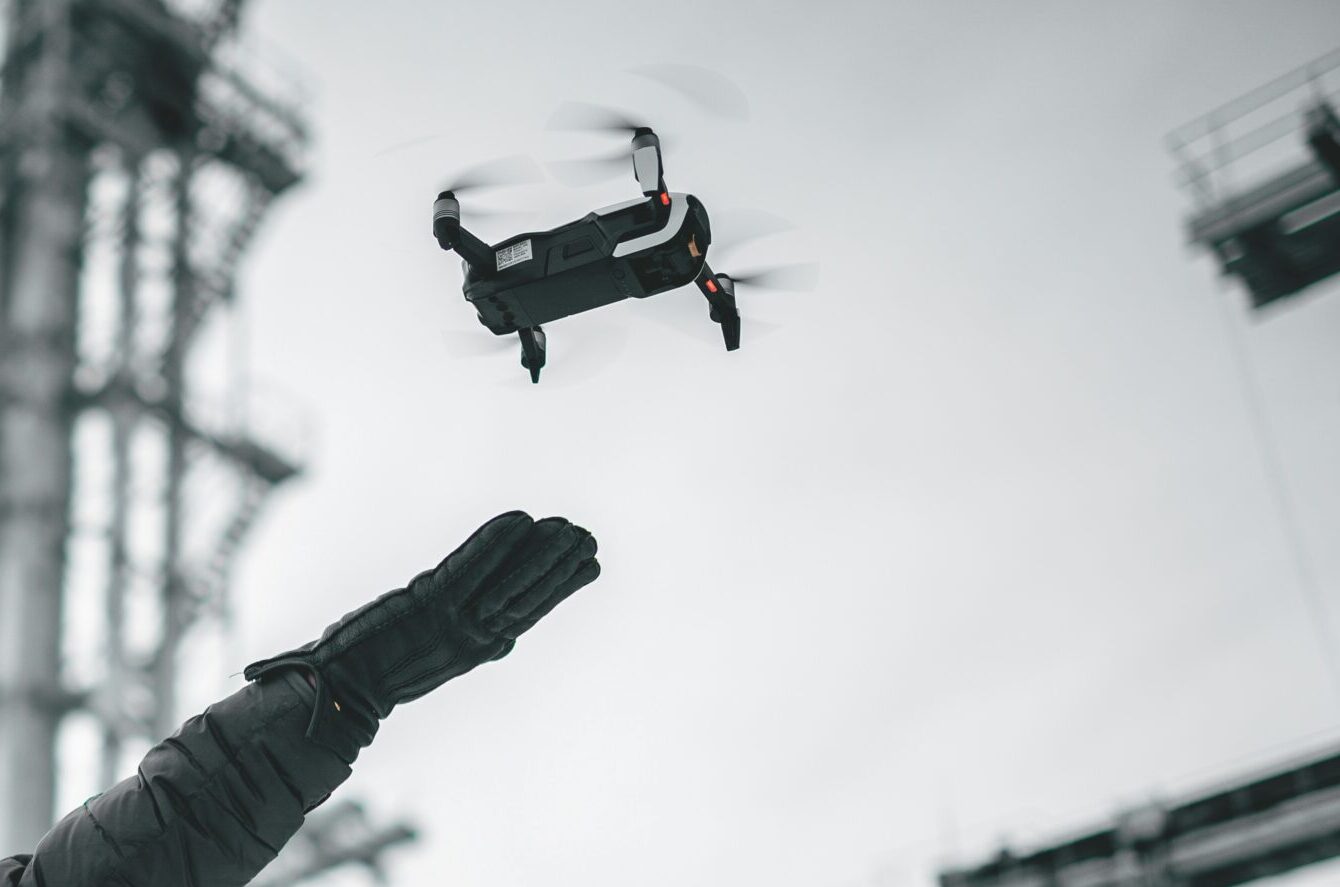
The Civil Aviation Authority of Malaysia (CAAM) is orchestrating an impressively detailed future for the nation’s skies, with ambitious blueprints for both Advanced Air Mobility (AAM) and Unmanned Aircraft Systems (UAS). On paper, the roadmap is clear: an AAM Concept of Operations (ConOps) with Futurise by Q1 2026 and a new suite of UAS Civil Aviation Regulations (CAR) alongside a sophisticated UAS Traffic Management System (UAS-TMS) by Q4 2025, buoyed by strategic partnerships like Altitude Angel and NExG CSA.
This tapestry of initiatives paints a picture of Malaysia as a pioneering force, ready to harness eVTOLs and empower a burgeoning drone industry. Yet, beneath the strategic pronouncements and projected timelines, a critical question hangs in the air: is Malaysia building a robust future or merely drawing one in painstaking detail?
Industry players are not just watching; they’re waiting – and potentially losing patience. The timelines provided, while comprehensive on paper, raise a crucial question: Do these ambitious schedules truly account for the inherent sluggishness of regulatory reform? The current landscape, governed by CAD 6011, presents significant inefficiencies and operational bottlenecks for drone operators that have become major points of contention. These are exemplified by several critical issues:
Inflexible 14-Day Lead Time: The mandatory 14-working-day submission window for an Authorisation to Fly (ATF) critically impedes responsive operations. This inflexibility prevents spontaneous activities crucial for sectors like news reporting or immediate event coverage, with applications submitted later than this timeframe often facing immediate rejection. How will the promised UAS-TMS effectively address the genuine industry need for rapid deployment and on-demand approvals, or will it merely digitize the existing waiting game?
High Cost of Entry for Simple Flights: A standard permit costing RM250 per drone per location for a maximum of 90 days represents a significant financial barrier. For hobbyists or small businesses, such as wedding videographers, this recurring fee is widely cited as discouraging legal compliance and promoting grey-market operations. Will the new regulations introduce more tiered, cost-effective permitting structures that genuinely incentivize legal operations for a broader spectrum of users, or will the financial barrier persist?
Regulatory “Silo” Issues: CAAM’s permit, which primarily covers flight safety, is often only one piece of a complex puzzle. Operators frequently encounter a “permitting loop” where they must secure additional, separate approvals from multiple agencies before or after CAAM. This includes mandatory clearances from JUPEM for any aerial photography, mapping, or filming; certification for hardware and radio frequencies from SIRIM/MCMC; and often written consent from landowners for takeoff/landing or overflight. Can a new UAS-TMS truly cut through this multi-agency entanglement, offering a unified and streamlined approval process, or will it simply add another digital layer to existing fragmentation?
These are not minor hurdles; they are systemic inefficiencies that demand significant legislative overhaul to foster a truly dynamic UAS sector.
Will CAAM’s ambitious initiatives realistically be able to roll out “soon” enough to meet market demand and competitive pressures? The challenge lies not primarily in the vision, but in the velocity of execution. Amending existing regulations (CAR and CADs) is a daunting bureaucratic labyrinth. It requires extensive legal review, thorough stakeholder consultation, parliamentary approval, and official gazetting – a process that historically stretches far beyond mere months, often years. Is there a precedent for such rapid, fundamental aviation regulatory change in Malaysia’s history that assures us these timelines are genuinely achievable? Or are we witnessing an optimistic projection that may ultimately fall victim to the very bureaucratic friction it aims to overcome?
While the AAM ConOps by 2026 and new UAS CAR/UAS-TMS by late 2025 are presented as imminent, the critical question remains: Will the announced initiatives truly bridge the chasm between ‘paper ambition’ and ‘practical pathways’ for operators navigating a tight regulatory maze? Malaysia’s claim as a ‘first-mover’ or regional leader in this dynamic space will be tested not by the elegance of its plans, but by the agility of its regulatory machinery. The clock is ticking, and the drone and advanced air mobility industries are accustomed to moving at warp speed – can CAAM’s entire legislative and implementation process, historically known for its deliberateness, genuinely keep pace? If not, despite its well-intentioned efforts, Malaysia risks seeing its carefully crafted blueprints gather dust while other nations surge ahead, leaving its nascent AAM and UAS industries struggling to take flight.